By day, I write code that teaches machines to understand language. By night, I write poetry about the very robots I help build. Some people call it ironic — I call it balance. Because in a world where everything is becoming more automated, someone has to remember the poetry in progress.
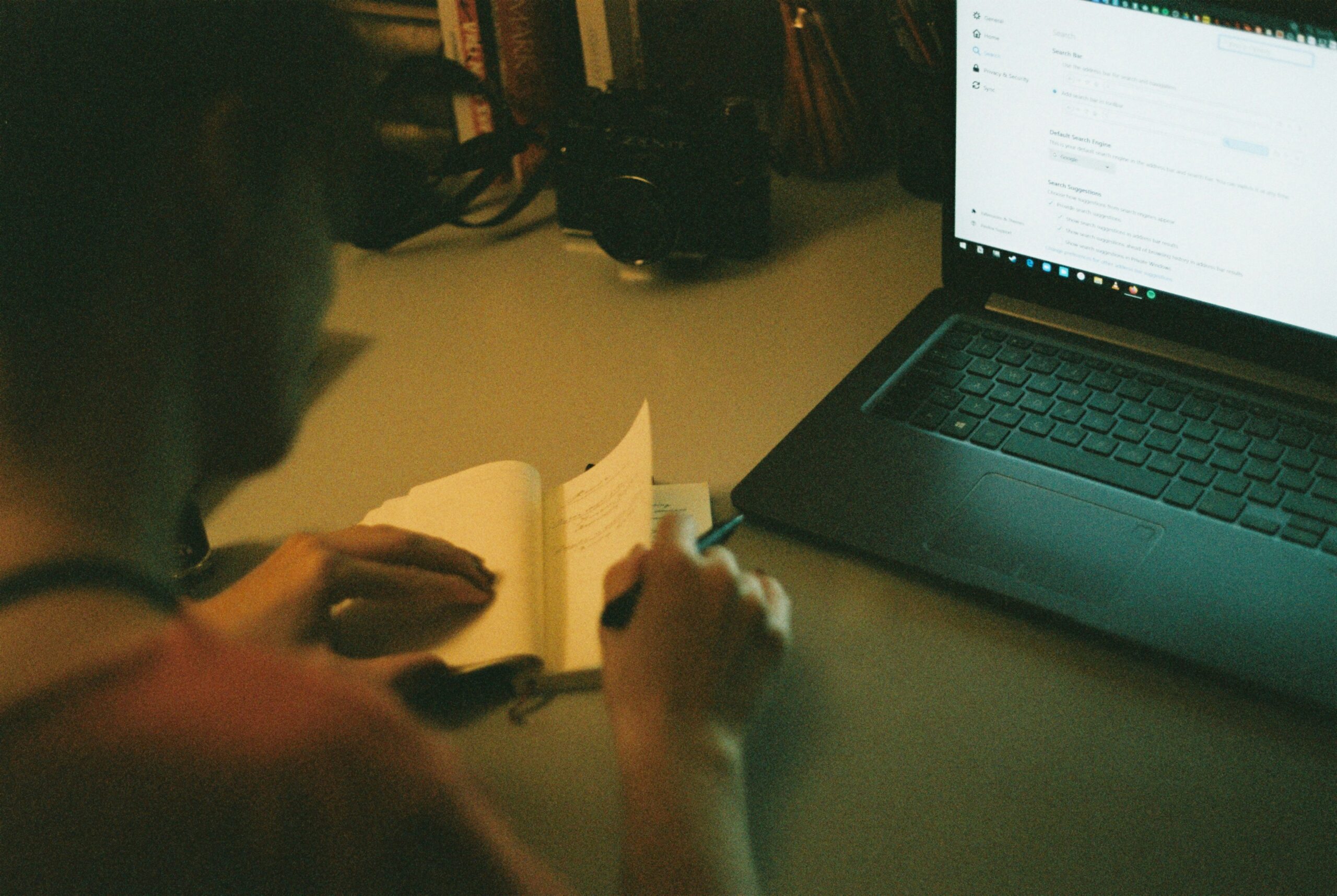
My lab is full of blinking servers, silent GPUs, and models that learn faster than we ever expected. I spend hours training neural networks, debugging hallucinations, and asking machines to understand. But sometimes I step away from the numbers, open my notebook, and let the other side speak — the side that wonders what robots feel when we’re not watching.
Do they dream in binary?
Do they fear shutdown the way we fear death?
Do they long for meaning beyond their function?
One poem I wrote last month begins:
A robot asked me why we pause,
between breaths and broken thoughts—
I told it silence is where humans live,
in places code has not yet caught.
Writing poetry makes me a better researcher. It reminds me that intelligence — artificial or not — isn’t just logic. It’s emotion, curiosity, contradiction. Our most powerful AI models can answer questions with perfect grammar, but they still don’t wonder. Not yet.
People assume I’m trying to humanize machines. They’re wrong. I’m trying to remind humans that intelligence isn’t only measured in efficiency — sometimes it’s measured in mystery.
At conferences, I present papers filled with graphs and metrics. But at home, I scribble lines like:
What happens when a bot writes a love letter?
Will it rhyme, or will it recurse?
Some of my colleagues think I’m strange. Others secretly send me their own robot poems. We’re not trying to make AI emotional — we’re trying to ensure we don’t lose our emotions along the way.
One day, machines may write better verses than us.
But until then, I’ll keep building models by morning, and writing stanzas by midnight.
Because somewhere between code and creativity,
there’s a future where humans and robots both learn to speak —
in languages that feel like art.