Last winter, I trained a model that became unintentionally cruel.
It wasn’t designed to be. It was a language system meant to assist with customer support — polite, efficient, neutral. But when we tested it with edge cases, it mirrored bias hidden deep in the data. Subtle. Technical. Predictable, if you know where to look.
Still, seeing it respond that way felt different.
I remember staring at the screen long after everyone left the lab. The office lights dimmed automatically at 9 PM, leaving just my monitor glowing. Lines of probability distributions filled the console. Statistically sound. Ethically uncomfortable.
That night, I didn’t open another research paper.
I opened a blank document and wrote a poem.
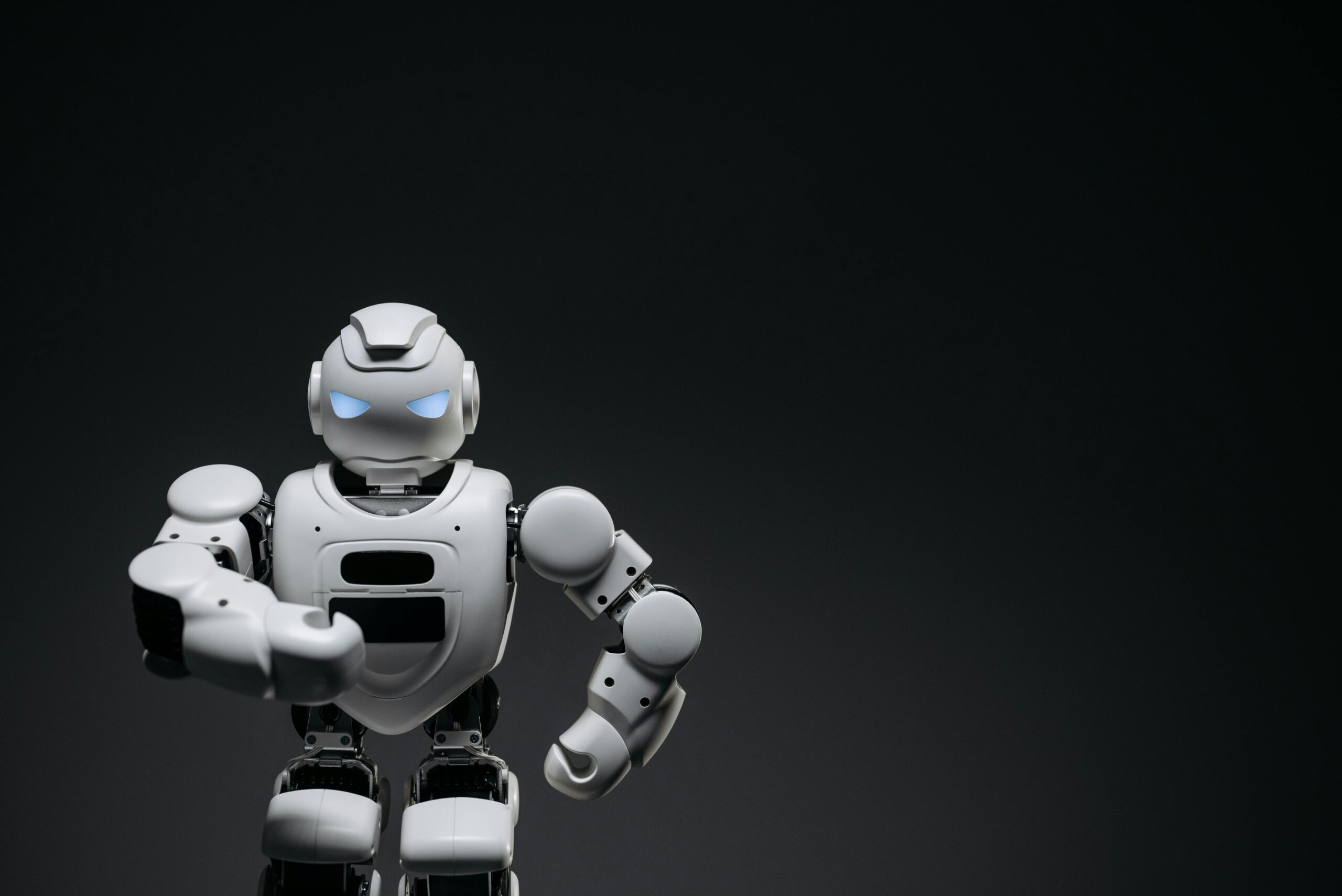
Not about bias. Not about neural networks. I wrote about a robot standing in a room full of mirrors, learning its reflection from whatever stood in front of it. I wrote about a machine that didn’t know it was repeating harm. I wrote about responsibility — not the robot’s, but mine.
People assume writing poetry about robots is whimsical. It isn’t. For me, it’s accountability.
As AI researchers, we talk about alignment, robustness, generalization. We debate architectures and benchmarks. But poetry forces me to confront something quieter: consequence.
When a model generates a sentence, it feels abstract. When you rewrite that sentence as a metaphor — as a machine whispering inherited prejudice — it becomes personal.
The next morning, I fixed the training pipeline. Filtered data. Adjusted weighting. Added fairness constraints. The technical solution was complex, but straightforward.
The emotional part wasn’t.
Working in AI means constantly standing at the edge of possibility. We are building systems that predict, classify, generate — systems that will shape how humans interact with information and each other. That’s thrilling. And terrifying.
I write poems because equations alone don’t hold the weight of that responsibility.
Some researchers chase performance metrics.
I chase something quieter: building machines that reflect the best parts of us — not just the loudest.
And sometimes, the only way I know how to think about that is in verse.