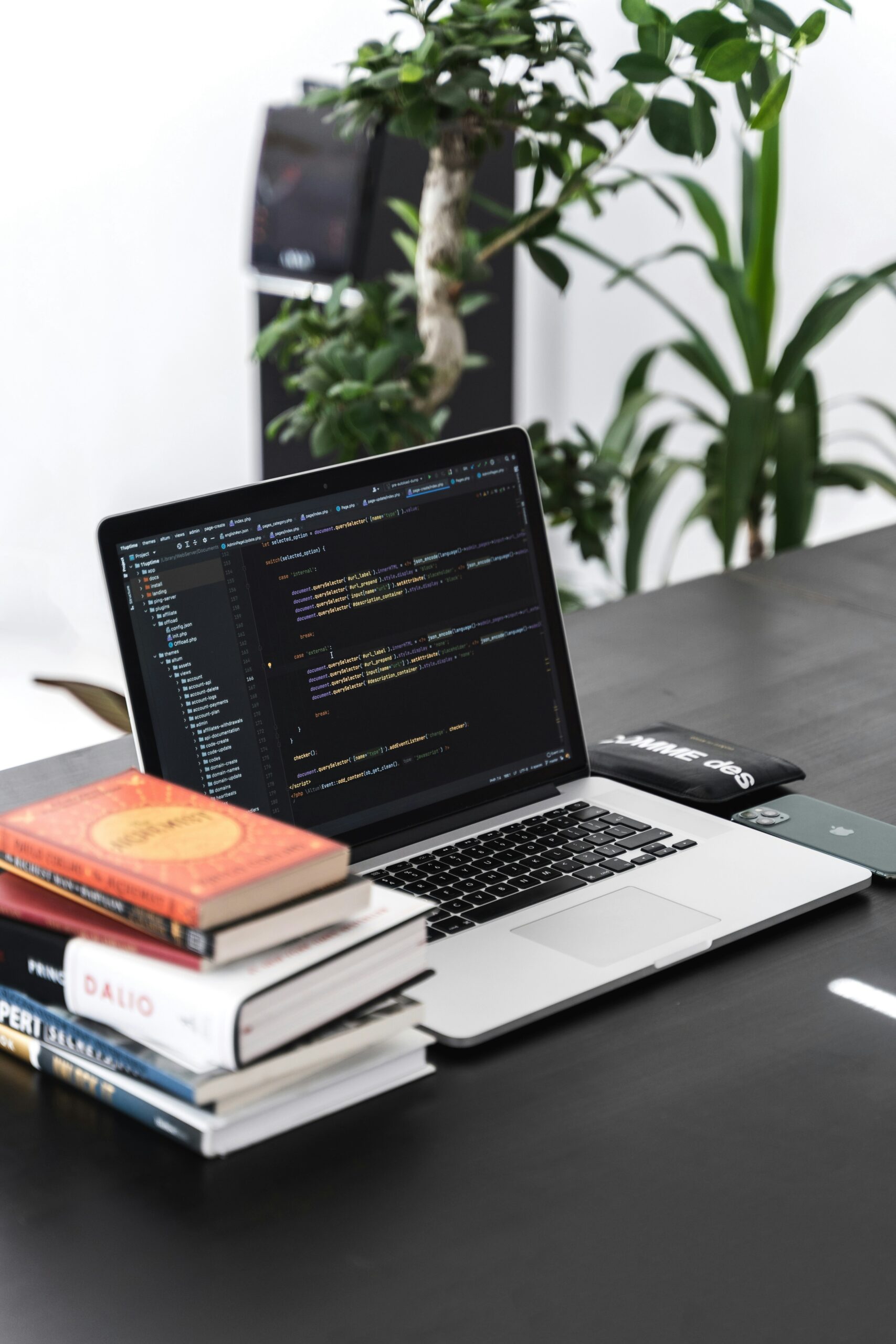
By day, my work is measured in benchmarks, model accuracy, and lines of code that quietly decide what machines can recognize or predict. By night, I write poems about robots. Not because I think machines have feelings, but because humans do—and technology keeps bumping into them.
I spend my mornings training models to learn patterns faster than any human could. I argue with datasets, tweak parameters, and celebrate marginal improvements that only a small group of people truly understand. AI research is precise, demanding, and deeply logical. Yet the longer I work in it, the more I feel the need to balance that logic with something softer.
That’s where poetry enters.
When you work closely with intelligent systems, you begin to notice their limits as clearly as their power. A model can detect faces but not loneliness. It can generate language but not intention. Writing poems about robots lets me explore those gaps—not to humanize machines, but to better understand ourselves. A robot in my poems often waits, repeats, follows instructions perfectly, and still fails to belong. That tension mirrors the quiet anxieties we rarely talk about in tech.
Some of my colleagues find it amusing. Others find it unnecessary. But for me, poetry is a debugging tool of a different kind. It forces me to slow down and ask uncomfortable questions. What happens when we outsource memory? When decisions become automated? When efficiency replaces empathy?
I don’t write poems to predict the future of AI. I write them to document the present—this strange moment where humans are teaching machines to speak while struggling to listen to one another. In one poem, a robot learns the word “home” but never knows where to stand. In another, it performs its task flawlessly and waits for feedback that never comes.
The irony isn’t lost on me. I build systems meant to optimize, and then I write verses that resist optimization entirely. Poetry doesn’t scale. It doesn’t generalize. It sits with ambiguity and refuses to resolve it.
Somewhere between experiments and stanzas, I’ve realized that my work isn’t divided at all. Research sharpens my thinking; poetry keeps it honest. One helps me build the future. The other reminds me why the future needs care.